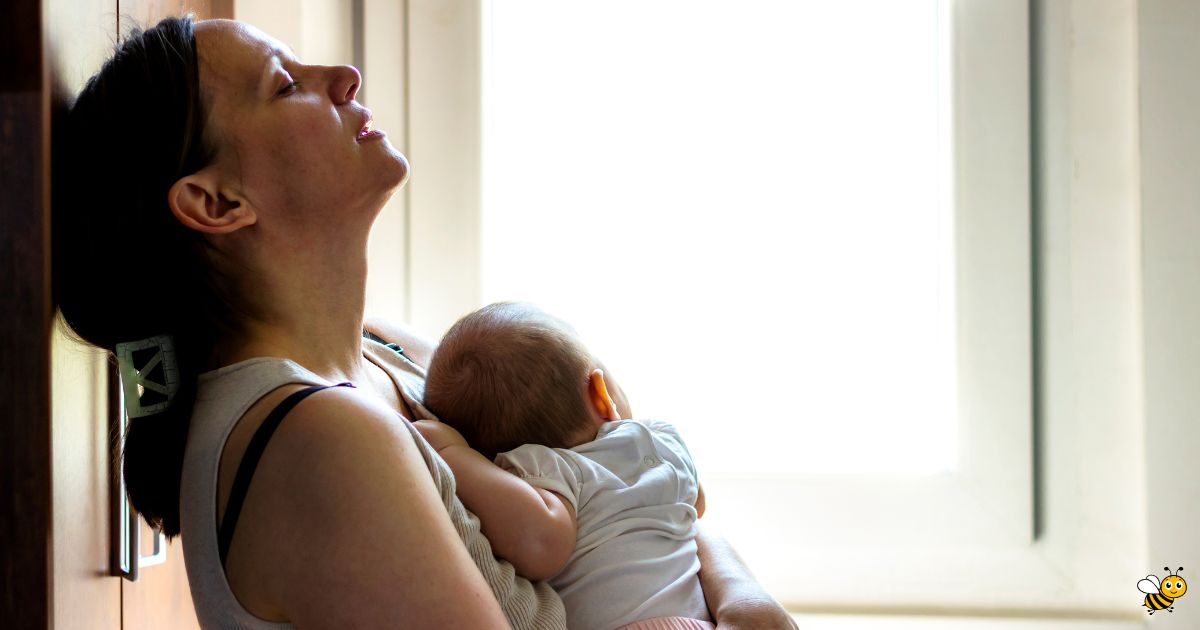
I had my first baby just two weeks ago, and I don’t think anything could have prepared me for how overwhelming those first days would feel. Between the sleepless nights, the constant feeding, and the emotional rollercoaster that comes with becoming a new mom, I barely had the energy to think, let alone entertain visitors.
My mom moved in temporarily to help me, which made a huge difference, but even with her support, I still felt fragile and exhausted most of the time. That’s why I was very clear with my mother-in-law from the beginning. I told her gently but firmly that we needed space and that she would meet the baby when I felt ready.
She didn’t take it well.
At first, she kept calling every day, asking when she could come over, insisting she didn’t want to miss these “precious early moments.” I understood her excitement, but I also knew my limits, and I kept repeating the same thing—that I wasn’t ready yet.
Eventually, after one particularly persistent day, I lost my patience and told her, “I don’t care if it takes months. I’m not ready yet.”
After that, she went quiet.
For a brief moment, I thought maybe she had finally understood.
I was wrong.
The next day, I was asleep in the bedroom when my mom rushed in, clearly panicked, and told me to wake up. I could hear my baby crying from the living room, and when I stepped out, still half asleep, I immediately sensed something was off.
My husband was standing there, pale and tense, looking like he had just been caught doing something he couldn’t explain.
Then I saw them.
Nine people from his family were in my living room—his parents, his siblings, and even a couple of young nieces and nephews. They were talking, moving around, some of them already holding my baby, passing her between them as if this were a casual family gathering.
For a moment, I couldn’t even process what I was seeing.
I felt my chest tighten as the reality hit me.
Nobody had told me.
Not one person.
And when I turned to my husband, he couldn’t even meet my eyes.
It turned out he had been the one who invited all of them over, thinking it would be a “nice surprise” and that I would eventually come around once I saw everyone together.
In that moment, something inside me shifted.
It wasn’t just anger—it was a deep sense of betrayal.
I had trusted him to protect my space, to respect what I had clearly communicated, and instead he had gone behind my back and brought an entire group of people into my home, around my newborn, without even telling me.
I walked straight into the room, took my baby from his mother’s arms without saying a word, and held her close. The room went quiet almost immediately, as everyone sensed the tension.
Then I looked at my husband.
“You need to ask them to leave,” I said calmly.
He hesitated.
That hesitation told me everything.
So I didn’t wait for him.
I turned to his family and said, as politely as I could manage, that this wasn’t a good time and that I had been very clear about needing space after giving birth. I told them I understood they were excited, but this visit had crossed a boundary that I couldn’t ignore.
Some of them looked uncomfortable. A few apologized quietly. My mother-in-law, however, looked more offended than anything else, as if I had overreacted.
But I didn’t back down.
One by one, they gathered their things and left, the atmosphere heavy and awkward as the door closed behind them.
When the house was finally quiet again, I turned back to my husband.
“This isn’t about them,” I said. “This is about you.”
He tried to explain that he thought he was helping, that he didn’t want to upset his family, that he believed I would feel better once everyone met the baby.
But none of that mattered.
Because he had taken a moment that was supposed to be mine—our baby’s first weeks, our time to adjust—and turned it into something I had no control over.
That night, we had the hardest conversation we’ve had since becoming parents.
I told him that if we were going to move forward as a family, he needed to understand that my boundaries weren’t suggestions. They were necessary. Especially now.
To his credit, he listened.
Not defensively, not dismissively, but seriously.
The next day, he called his family and made it clear that no one would be visiting until I was ready, and that when that time came, it would be on our terms—not as a surprise, not as a group event, but in a way that respected what I needed.
It didn’t fix everything overnight, but it was a start.
Because becoming a parent doesn’t just change your life—it shows you very clearly who is willing to stand beside you, and who still needs to learn how.
And sometimes, the hardest part isn’t asking for respect.
It’s insisting on it.