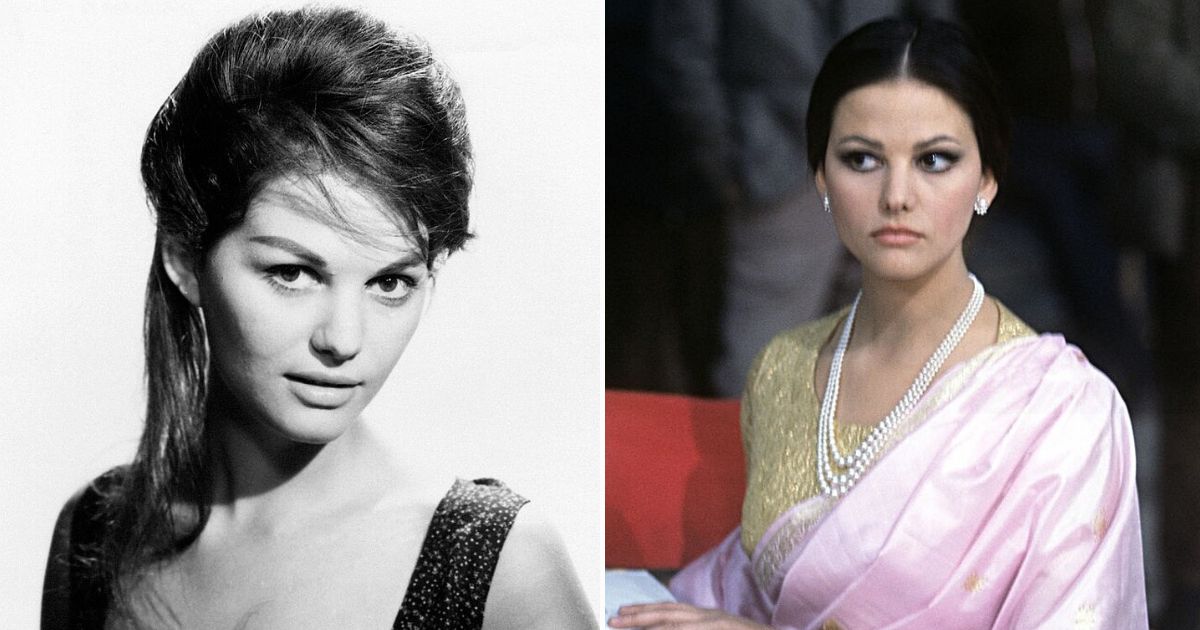
Claudia Cardinale, the timeless Italian screen siren best known for her luminous performances in Once Upon A Time In The West and The Pink Panther, has died at the age of 87. Her passing marks the end of an era in European and Hollywood cinema, where her talent and striking presence helped shape film history.
Born in 1938 to a Sicilian family in French Tunisia, Cardinale initially had no interest in becoming an actress. “I saw myself more as a teacher in the desert,” she once said. But life had other plans. At 19, after surviving a traumatic assault that left her pregnant, Cardinale entered the film industry not for fame, but “for Patrick — this baby that I wanted to keep despite the scandal.”
To support her son, she signed a long-term contract with producer Franco Cristaldi, launching a career that would soon skyrocket. Cardinale kept her pregnancy hidden from the public, filming through her final trimester and later pretending her child was her younger brother. “I filmed pregnant, but no one noticed,” she recalled.
From Italy to Hollywood — and beyond
Cardinale’s early roles in films like Big Deal on Madonna Street and Rocco and His Brothers quickly earned her recognition. But it was her performance in Girl with a Suitcase that proved she was more than just a beauty, she was a serious actress. The character, a teen mother and nightclub singer, echoed her own life, making the portrayal achingly real.
Her international breakout came with back-to-back classics in 1963: Federico Fellini’s dreamlike 8½ and Luchino Visconti’s sweeping epic The Leopard, where she starred opposite Alain Delon and Burt Lancaster. Her dance scene in The Leopard remains one of the most visually iconic moments in Italian cinema.
Later that year, she dazzled American audiences as Princess Dala in The Pink Panther — although her voice was dubbed due to her thick accent. “For The Leopard, I spoke French with Delon and English with Lancaster,” she once said. “It was Fellini who insisted I act in Italian — even if with a French accent.”
Her unforgettable turn in the West
In 1968, Sergio Leone cast Cardinale as Jill McBain in Once Upon A Time In The West. The film, a gritty, operatic Western, cemented her legacy. Playing a reformed prostitute who inherits a ranch, Cardinale brought both toughness and tenderness to the role. Her performance was so powerful, she stood toe-to-toe with legends like Henry Fonda and Charles Bronson.
Off-screen, her experience filming wasn’t always glamorous. Cardinale remembered trying to film a love scene with Fonda while “his wife was standing like a vulture next to the camera.”
Independence, resilience, and a legacy of strength
Though she entered a relationship with Cristaldi, she later freed herself from both their professional contract and personal entanglement. “It was a strange time… your hands and feet were tied,” she said of the era’s studio system. She later found love and creative partnership with filmmaker Pasquale Squitieri, who remained her partner until his death in 2017.
Cardinale remained fiercely independent, turning down advances from stars like Marlon Brando, Marcello Mastroianni, and Steve McQueen, insisting she never mixed work with romance. “No flirtation. No affair. The Italian has a strong temperament.”
Despite decades of stardom, she never saw herself as a diva. “My dream was to explore the world,” she said in 2013. “And I did it.”
A timeless presence to the very end
In later years, she acted in films like Fitzcarraldo, the Franco Zeffirelli series Jesus of Nazareth, and the 2020 Netflix crime thriller Rogue City, where she played a crime boss — proving her enduring screen power.
Her advice to younger actresses? “Be strong inside… Let go of roles quickly so as not to get lost. Don’t accept everything for a role that could damage you.”
Cardinale died in Nemours, near Paris, surrounded by her children. She is survived by her son Patrick Cristaldi and daughter Claudia Squitieri.
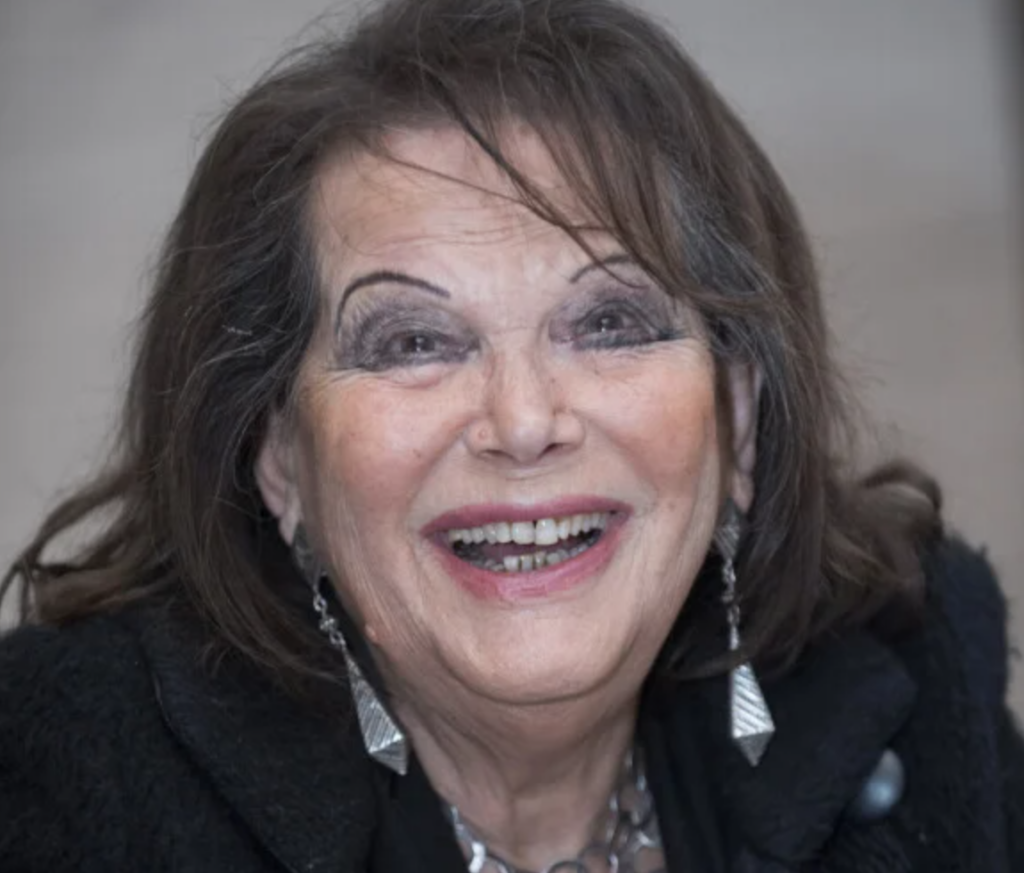
Her agent remembered her as “a free and inspired woman, both as a person and as an artist.”