Melania Trump delivers blunt denial in White House address amid Epstein claims
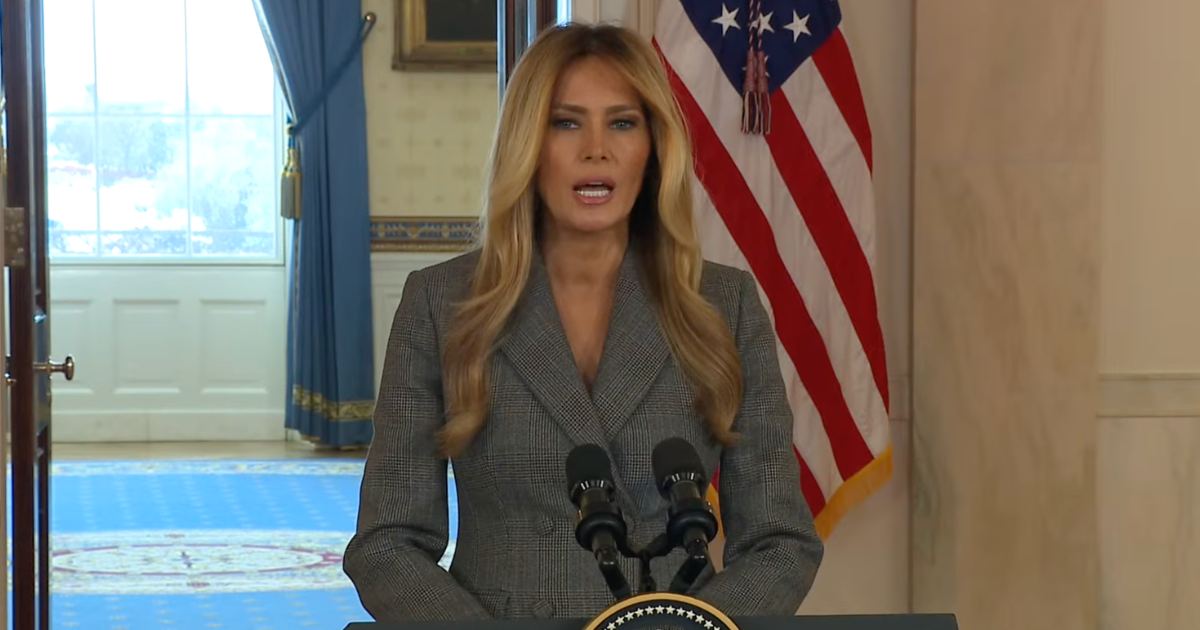
First Lady Melania Trump stepped forward at the White House with a clear and deliberate message, addressing allegations linking her to disgraced financier Jeffrey Epstein.
Standing in the Grand Foyer, she read a prepared statement that left little room for ambiguity. “The lies linking me with the disgraceful Jeffrey Epstein need to end today,” she said, rejecting what she described as false and damaging claims about her past.
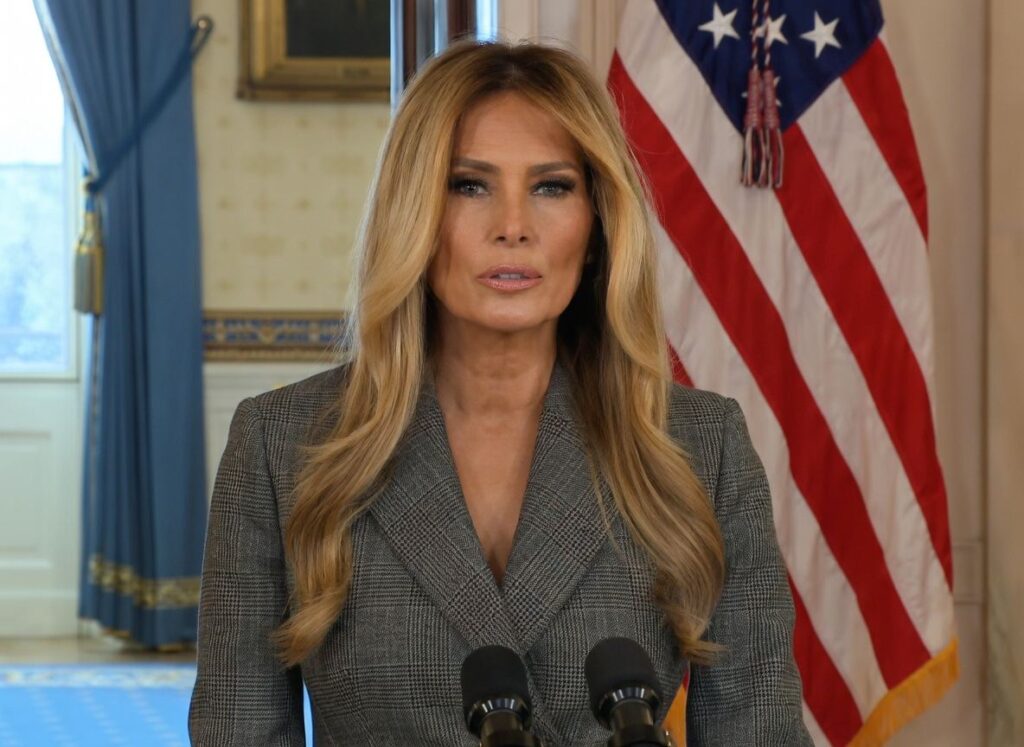
The remarks marked a rare and direct intervention from the first lady on a controversy that has continued to surface in political and public discourse.
A firm response from the White House
According to her statement, Melania Trump characterized the accusations as “unfounded and baseless lies,” adding that she and her attorneys are actively pushing back against what she called attempts to harm her reputation.
She made it clear that she was neither a friend nor an associate of Epstein or his former partner Ghislaine Maxwell, describing any overlap in social circles as incidental rather than meaningful.
In one of the most striking moments of her address, she distilled her position into a simple explanation, referring to a past exchange as nothing more than “casual correspondence.” “My polite reply to her email doesn’t amount to anything more than a trivial note,” she stated, dismissing its significance.
The first lady also rejected claims that Epstein played any role in her personal life, saying he did not introduce her to Donald Trump. She reiterated that she met her future husband at a New York City event in 1998.
Renewed attention on a lingering controversy
Her statement comes after months of political tension surrounding the Epstein case, including the release of government documents tied to the late financier and his network.
While speaking, Melania Trump also shifted focus toward those affected by Epstein’s crimes. She called on Congress to hold public hearings, urging that survivors be given the opportunity to speak openly and have their experiences formally recorded.
“Each and every woman should have her day to tell her story in public if she wishes,” she said.
The address lasted several minutes and concluded without questions from reporters. She then left the podium, leaving behind a message that was both personal and pointed.
Her central claim remained consistent throughout: the allegations are false, the damage is real, and the time to end what she calls “lies” is now.