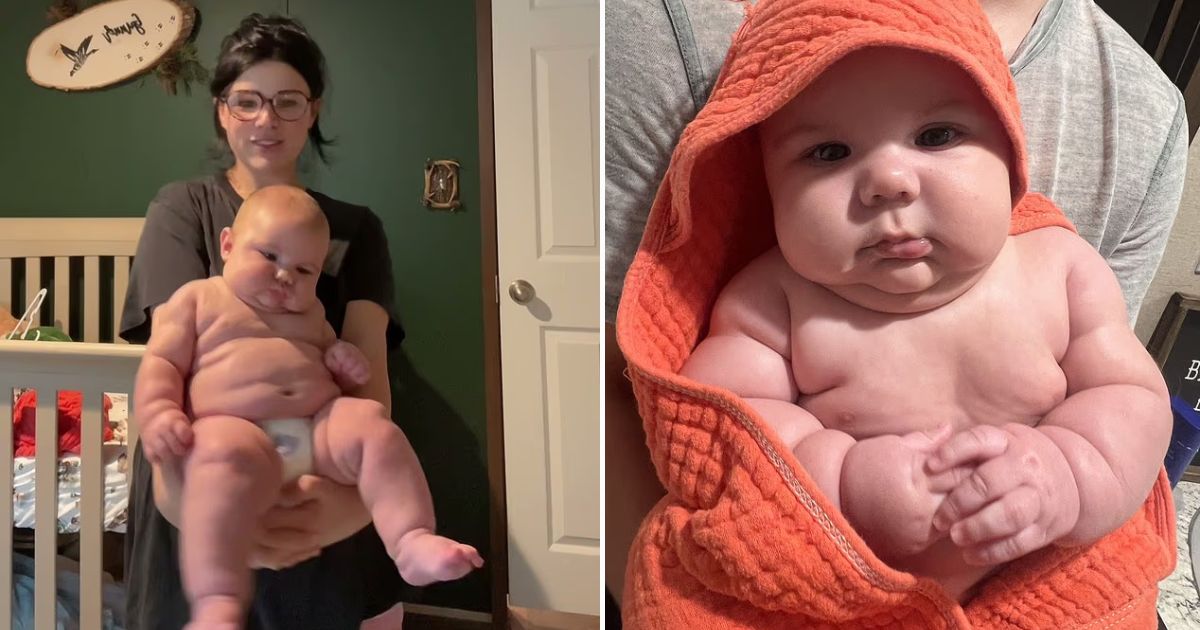
From viral TikToks to hospital delivery rooms, a wave of oversized infants is stealing the spotlight, but experts are warning it’s not all ‘cute and chunky’.
But behind the adorable snapshots of very large babies (like a 22-pound four-month-old) and “chunky boys” bursting out of baby clothes lies a growing medical mystery and a deeply worrying trend.
Moms like Maci Mugele have racked up millions of views flaunting their enormous babies. Her son Gunner, just four months old, already weighs 22 pounds and is nearly half his mom’s size.

Another mom, Houri Hassan-Yari, posted her six-month-old in the 99th percentile with the proud caption: “Love my chunky boy.”
Commenters gush over the cuteness, while others ask how these babies got so big, with a few even accusing parents of “child abuse.”
Doctors Issue Sobering Warnings
Experts now say the trend is more than cosmetic — it aligns with a proportion that has been creeping up for decades in cases of foetal macrosomia, a condition where babies weigh more than 8lb 13oz at birth.

“We know from national statistics that babies are getting larger,” said Dr. Dimitrios Siassakos, professor of obstetrics at University College London. “You’d normally expect 10 percent, but we see so many more than 10 percent nowadays.”
What’s Fueling the Big Baby Boom?
Two major factors are behind the shift, according to researchers: rising obesity rates and an explosion in gestational diabetes, including in healthy-weight mothers who may not realize they’re at risk.
“You don’t need to be overweight to develop gestational diabetes,” Dr. Siassakos explained. “We’re seeing it in slim women, and many go undiagnosed.”

The result? Babies with excess fat and larger bones developing in utero, sometimes leading to complicated deliveries, nerve injuries, or worse.
The Hidden Dangers of Macrosomia
There are two types of macrosomia: symmetric, where the baby is large but proportional, and asymmetric, where the baby’s tummy and shoulders balloon disproportionately due to excess fat.

The latter is often a red flag for unmanaged gestational diabetes, and can lead to terrifying delivery scenarios, such as shoulder dystocia — when the baby’s head emerges but the body gets stuck.
“Some babies are asphyxiated and can suffer permanent brain damage,” said Dr. Siassakos. “Others are stillborn.”
C-sections are now the norm in many of these cases, with nearly half of all UK births now performed via caesarean.
It Doesn’t End at Birth
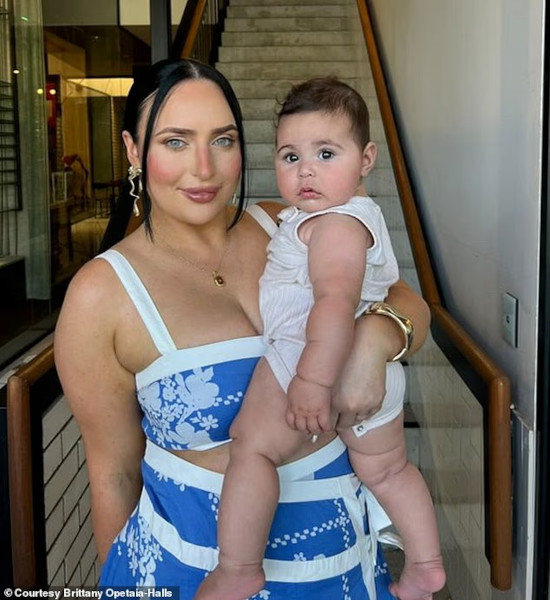
Long after delivery, babies who were macrosomic due to maternal gestational diabetes face elevated risks of diabetes, asthma, and high blood pressure. Mothers, too, are affected: those who deliver large babies have a fourfold risk of developing diabetes later in life.
Yet under current guidelines, only women with obvious risk factors are routinely screened, so many cases go undetected.
What Can Be Done?
The silver lining? Doctors say macrosomia is often preventable with simple lifestyle changes during pregnancy.
“Regular exercise and common-sense diet modifications can dramatically lower your risk,” Dr. Siassakos said. “It’s not about extreme changes — it’s about awareness.”