When my husband and I divorced, the hardest decision wasn’t the paperwork or the court hearings, it was what would happen to our son. At twelve, he was old enough to have strong feelings about where he wanted to live, and when the judge asked, I did something few parents might have: I let him decide for himself.
“If you’re happy, that’s what matters,” I told him, even though I was silently praying he would choose to live with me.
But he didn’t. He chose his father’s house.
The words cut like a knife, but I smiled through the pain. If being with his dad gave him comfort, I would step aside. I promised myself I would never interfere. Instead, I vowed to stay involved as much as possible: through texts, calls, weekend visits, and by showing up for his soccer games and school events.
At first, it seemed to work. I told myself this was the mature choice — respecting his independence while still being a part of his life. But slowly, the cracks began to show.
The Alarming Signs
It started with phone calls. His teachers reached out, concerned about slipping grades. “He seems distracted,” one said. Another mentioned he was falling asleep in class. Soon the principal added his own voice, telling me that my son seemed withdrawn, weighed down by something unspoken.
I tried to brush it off. Divorce affects children, everyone says that. Maybe this was just typical preteen moodiness mixed with the strain of our new family structure. Still, there was a voice inside me that wouldn’t be silenced, a whisper saying something deeper was wrong.
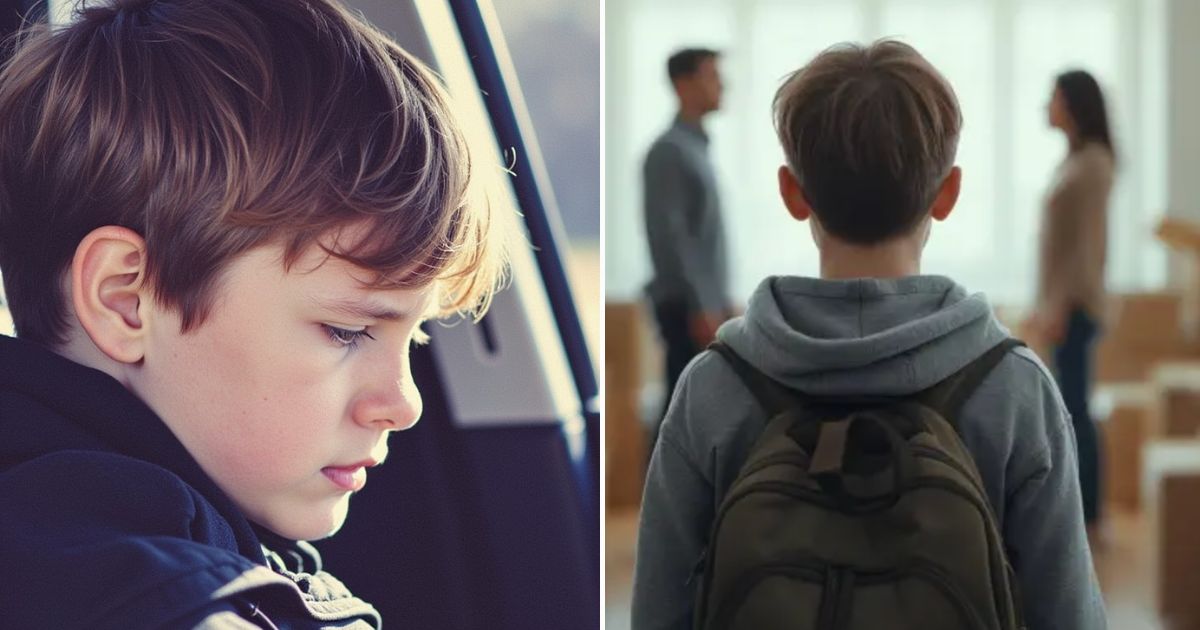
The next morning, I drove to his school unannounced. I signed him out for the day. As he slid into the passenger seat, I caught his eyes: hollow, tired, older than they should have been. My chest tightened.

“What’s going on, sweetheart?” I asked gently, bracing myself for what he might say.
The Confession
For a moment, silence hung in the car like fog. Then his shoulders slumped, and he looked away.
“It’s not school, Mom. It’s not you,” he said, his voice breaking.
My breath caught. “Then what is it?”
He swallowed hard before answering. And when the words finally came, they shattered me.
Life at his father’s wasn’t what I believed. It wasn’t stability or comfort. It was chaos. My ex had slipped into old habits — late nights, drinking, neglect. My son wasn’t just living there; he was raising himself. He cooked his own meals, did his laundry, and often went to bed without seeing his dad at all.
“Sometimes,” he admitted, his voice barely audible, “I feel like I don’t even exist to him.”

The dam inside me broke. I had let my child walk into a situation that was slowly crushing him, all because I thought giving him the choice was the right thing to do.
Taking Back My Role
That afternoon, I knew the time for silence and restraint was over. I held him tightly, promising he would never feel invisible again.
We went straight home, my home. I called his father, the school, and even the family counselor. There were arguments, accusations, even tears. But underneath it all was one simple truth: my son needed me to be his parent, not his friend.
I had tried to respect his independence, to let him navigate the divorce his way. But what he needed was guidance, stability, and protection, the things a child, even at twelve, should never have to ask for.
It wasn’t easy. There were legal conversations to reopen custody discussions. There were moments when my son resisted, feeling guilty for leaving his father behind. But slowly, I saw him come back to life. His eyes brightened. His laughter returned. His grades steadied.
Most importantly, he stopped carrying the crushing weight of being more adult than he should have been.
What I Learned
I still believe in giving children a voice. Divorce affects them too, and they deserve to be heard. But I also learned that children, even strong and mature ones, cannot shoulder the responsibility of choosing what is best for them. That’s a burden for parents to carry.

Letting my son choose felt noble at the time — a gesture of love and trust. But in truth, it left him vulnerable. And I will never forgive myself for the pain he endured before I finally saw the truth.
Now, when I look at him across the dinner table, his plate piled high, his smile easy and unguarded, I remind myself every day: I am his mother. It is my job to protect him, to guide him, and to step in when his world begins to crumble.
Because love, I learned, is not just letting go. Sometimes, love is holding on tighter than ever.