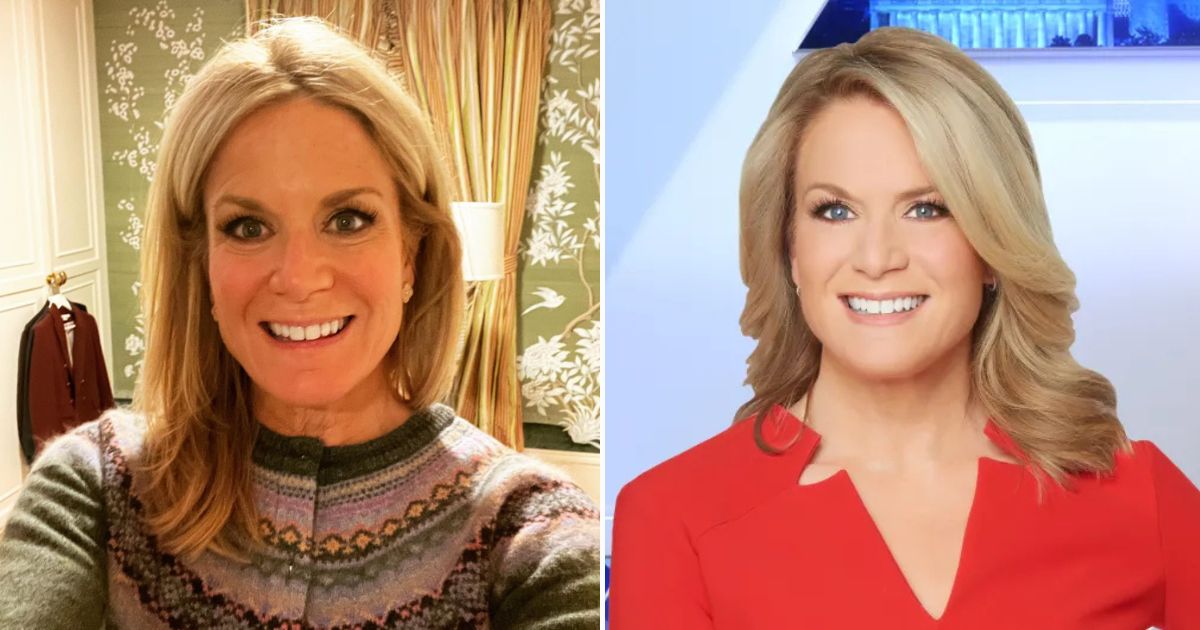
The hidden battles behind Martha MacCallum’s rise at Fox News
To viewers, Martha MacCallum is known for calm interviews, sharp political coverage, and a steady presence on television. But behind that composed on-air image is a career shaped by pressure, criticism, and deeply personal loss.
MacCallum joined Fox News in 2004 and has since become one of the network’s most recognizable journalists. Over the years she has interviewed prominent political figures including Mitt Romney, John McCain, and Chris Christie.
Her reputation grew even further during the early days of the presidency of Donald Trump, when she launched the program “The First Hundred Days,” documenting the administration’s opening months and later interviewing the president on his 100th day in office.
Yet MacCallum’s success as a political journalist has been shaped not only by professional milestones, but also by years of challenges both on and off the screen.
Early career pressure and determination
MacCallum’s path into television journalism did not begin at the anchor desk.
After graduating from St. Lawrence University in 1986, she started her career as a fact-checker for a financial magazine before moving into production roles. She later worked at CNBC before eventually joining Fox News in 2004.
Those early years brought intense pressure as she worked to establish herself in broadcast journalism.

In a July 2024 interview with Woman’s World, MacCallum reflected on the stress she experienced while trying to prove herself in the industry.
“I would tell my younger self not to sweat the small stuff, that everything eventually gets on the air,” she said. “And if you work really hard, and conscientiously and you do your homework, things will be fine.”
She also acknowledged how overwhelming those early years sometimes felt.
“I remember feeling the importance of an interview or feeling something we had to get on the air was so important that there were times you would just feel like crying. It felt so stressful,” she said.
Those demanding early experiences ultimately helped shape the confident interviewer viewers recognize today.
Pushing back against criticism in the industry
MacCallum has also faced criticism tied to her appearance rather than her reporting.
In November 2017, columnist David Horsey published a controversial piece in the Los Angeles Times criticizing then-White House press secretary Sarah Huckabee Sanders while also dismissing women at Fox News as “blond Barbie dolls.”

MacCallum responded publicly in Time, defending the women who work at the network.
“We’re experienced journalists and reporters, most of us have been at it a long time,” she wrote. “Between us, we’ve worked at all the networks and most prominent newspapers and publications.”
“We’re proud that our ‘lineup’ is ‘stocked’ with some of the sharpest, brightest women in the business.”
She also described her own experiences earlier in her career with workplace harassment.
“Early in my career, I was subjected to harassment in the form of some unwelcome suggestive comments and overtures,” she wrote. “It was ugly and if ever I felt like I was being perceived as a ‘Barbie Doll,’ it was then.”
For MacCallum, the response was not just personal — it was about defending the professionalism of women working across television journalism.
Difficult moments in the spotlight
Even after establishing herself as a veteran anchor, MacCallum has faced tense moments on live television.
In September 2018, she conducted a widely discussed interview with Brett Kavanaugh and his wife following allegations of sexual misconduct against him. The interview marked his first public response to the claims and drew attention across the political spectrum.
But not every moment in her career has gone smoothly.

After the first presidential debate in September 2024, former President Donald Trump appeared on “Fox & Friends” and was asked whether he would participate in another debate moderated by MacCallum and Bret Baier.
“Well, I wouldn’t want to have Martha and Bret… I wouldn’t want Martha involved,” he said.
Another tense exchange occurred in April 2025 when MacCallum interviewed Democratic Senator Chris Coons. The discussion escalated into a heated argument during the segment.
At one point Coons said he could not hear her because she was “yelling so much.”
MacCallum replied, “Because I can’t get a word in edgewise. I’m trying to ask you a question — that’s my job.”
Moments like these illustrate the unpredictable nature of political journalism and the pressure anchors face in high-stakes interviews.
Personal loss behind the cameras
While navigating the demands of television news, MacCallum has also experienced profound personal loss.
Her mother, Elizabeth MacCallum, died in April 2013 after battling breast cancer for thirteen years. In a 2021 conversation with SurvivorNet, the Fox News anchor spoke about how her family endured the long illness.
“The cancer didn’t keep her down,” MacCallum said. “It gave her an even more renewed glow to life and she embraced it.”
The experience also shaped how she approaches her own health.
“I just feel fortunate that there’s so much that we know now about breast cancer,” she said. “I see so many people who recover and go on to live happy, active lives.”

More recently, MacCallum suffered another loss when her father, Douglas Clark MacCallum, died in March 2025 at the age of 92.
In a Facebook post shared a week later, she described him as “a wonderful father and a great friend.”
“He gave each of us his wisdom, charm and humor,” she wrote, adding that he had served as a lieutenant in the U.S. Navy during the Korean War.
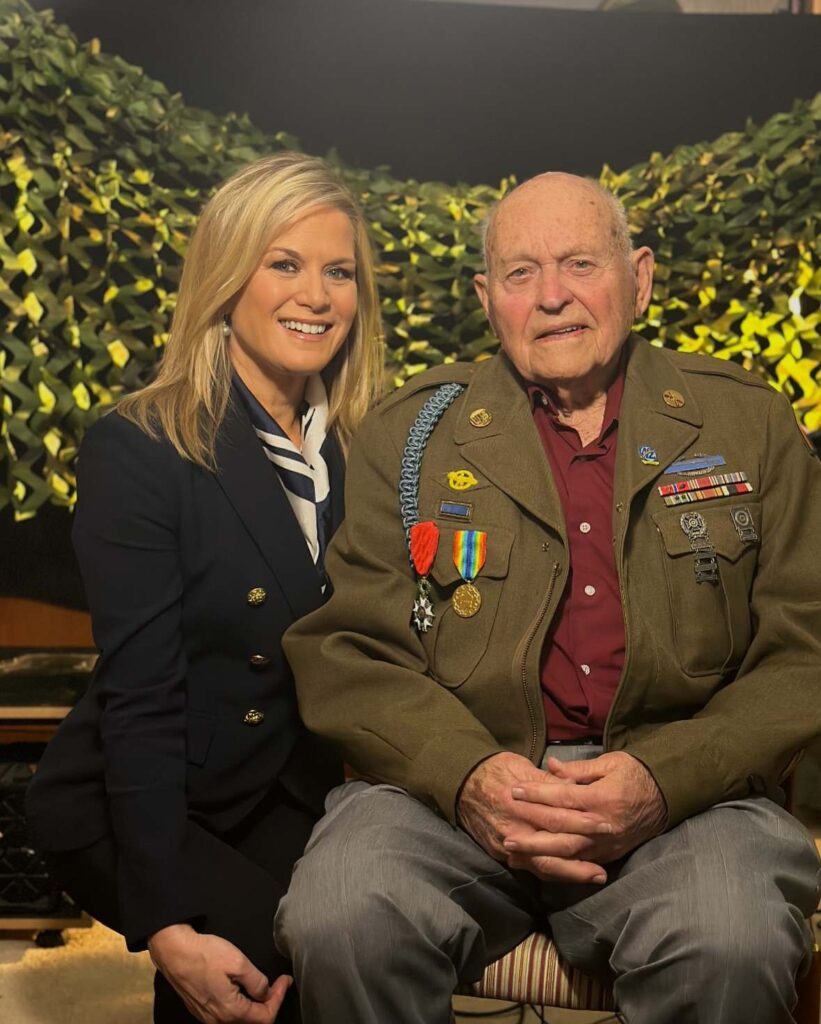
“Our only consolation is that he is with her now,” she said, referring to her late mother.
Despite professional pressures and deeply personal grief, MacCallum has continued to maintain the steady presence viewers see each night.
Her career in journalism reflects more than years of interviews and political coverage. It also tells the story of persistence through criticism, stress, and loss — challenges she has faced largely away from the spotlight.